Permits for floral displays near Bond Street explained
Posted on 25/09/2026
Planning a floral display near Bond Street can look simple from the outside. A few elegant arrangements, maybe a shopfront bloom scheme, perhaps something for a launch or a private event. Then the real questions arrive: do you need permission, who approves it, how long does it take, and what happens if the display sits partly on public land? If you are trying to make sense of permits for floral displays near Bond Street explained, this guide walks through the practical side without the usual jargon.
Bond Street sits in one of London's busiest, most visible areas, so even a modest floral installation can have wider implications than people expect. Safety, pavement access, frontage appearance, waste, wind resistance, and timing all matter. The good news? Once you understand the process, it becomes much easier to plan a display that looks polished and stays compliant. Let's break it down properly.
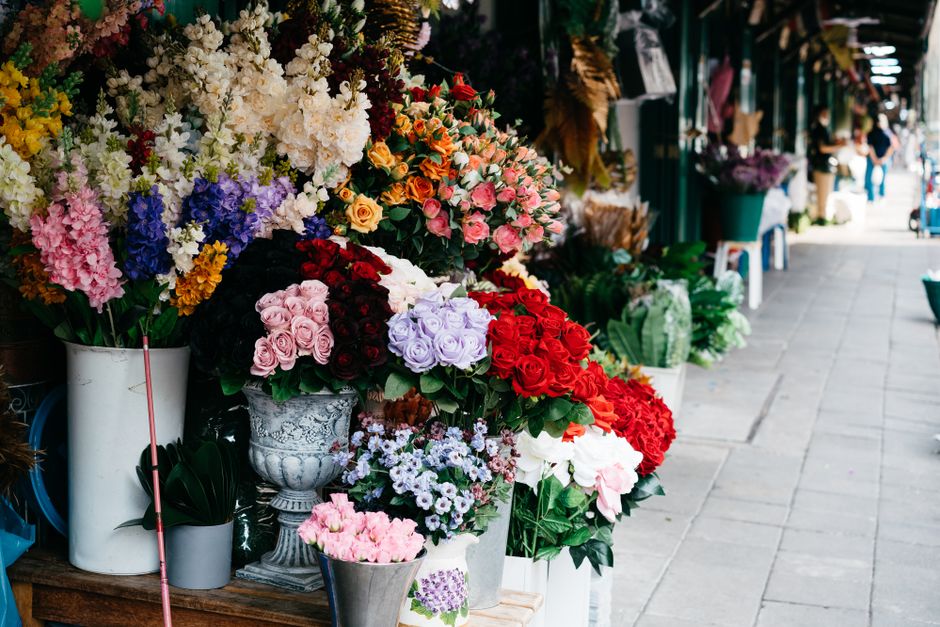
Why Permits for floral displays near Bond Street explained Matters
Bond Street is not the kind of place where a floral display can be treated as an afterthought. Space is tight, footfall is high, and a display that looks lovely at 9 a.m. can become a blockage by lunch if it is not planned with care. That is why permits matter so much. They are not just paperwork; they are part of making sure the display fits the location, the frontage, and the people moving past it.
In practical terms, a permit or approval process helps answer a few important questions. Is the display on private property only, or does it extend to the pavement? Could it interfere with pedestrians, wheelchair users, deliveries, or cleaning crews? Is it temporary for an event, or more permanent as part of a seasonal frontage? These details shape whether permission is needed and what conditions may apply.
There is also a reputational side to it. In a premium retail area, presentation matters. A neat floral installation can elevate a shop, hotel, restaurant, or venue. A poorly positioned one can feel awkward, cluttered, or even risky. Truth be told, most people only notice the flowers if something is off. That is not the kind of attention you want.
Expert summary: near Bond Street, the real issue is not whether flowers are allowed in principle, but whether the display is safe, tidy, proportionate, and approved for the exact space it occupies.
That distinction matters. A display inside a doorway is one thing. A display that touches the public realm is another. And if there is any doubt, it is usually better to check first than to be told to remove everything later on a busy morning when the pavement is already buzzing.
How Permits for floral displays near Bond Street explained Works
The exact route depends on where the flowers will sit and what they will do. A simple indoor arrangement does not normally raise the same questions as a large exterior installation, a branded display at the edge of a pavement, or a seasonal frontage that changes the look of the street. The process is usually about matching the display to the property, the street conditions, and any relevant local approval route.
In broad terms, the workflow often looks like this:
- Identify the location - private interior space, private forecourt, shop threshold, pavement edge, or a public-facing frontage.
- Define the display type - bouquets, planters, hanging arrangements, arches, event florals, window installations, or large display stands.
- Check whether the public realm is affected - if pedestrians may walk around it, through it, or past it closely, extra care is needed.
- Prepare a simple plan - dimensions, materials, timing, fixing method, and how the display will be kept stable.
- Confirm approval requirements - this may involve the property owner, managing agent, venue operator, or local authority route, depending on the site.
- Submit supporting details - often photos, drawings, a brief description, and practical safety notes.
- Implement and monitor - even approved displays can need adjustments if weather, crowding, or damage changes the risk.
One thing people often miss: the approval is not just about the flowers themselves. It is also about the supports, containers, water, cables, weighted bases, and any decorative structures attached to the display. A beautiful arrangement in a wobbly base is still a wobbly base. And wobble, in a place like Bond Street, is not your friend.
If the display is part of a wider floral order or event concept, working with a supplier who understands both presentation and logistics makes the whole thing much smoother. For example, many clients coordinate their display planning alongside a local florist in Mayfair, especially when the arrangement needs to suit a high-end frontage or tight delivery schedule. If the display also needs to arrive quickly, same-day flower delivery in Mayfair W1K can be useful for time-sensitive setups.
Key Benefits and Practical Advantages
Getting the permission side right is not just about avoiding trouble. It can actively improve the quality of the floral display and the experience around it.
- Better placement - approved displays are more likely to sit where they look balanced and still leave safe circulation space.
- Less disruption - you avoid last-minute removal requests, awkward objections, and rushed redesigns.
- Stronger presentation - a well-planned display looks intentional, not improvised.
- Reduced risk - stable bases, sensible materials, and clear boundaries lower the chance of accidents.
- Cleaner operations - water management, waste collection, and breakdown planning are easier when they are part of the original plan.
- Better relationships - property teams, neighbours, and venue managers are far more comfortable when they know what is happening.
There is a commercial upside too. A display that is approved and properly installed tends to last better, require fewer tweaks, and create fewer headaches. That matters for launches, hospitality spaces, weddings, and seasonal installations where timing is tight and first impressions are doing a lot of heavy lifting.
For customers comparing suppliers, it can help to know whether a florist offers consistent quality and support for larger or more complex arrangements. A page like best flower delivery in Mayfair W1K can be a helpful starting point if speed, presentation, and reliability all matter. For more price-conscious planning, cheap flowers in Mayfair W1K may be relevant when the display needs to stay within a stricter budget, though low cost should never come at the expense of safety or finish.
Who This Is For and When It Makes Sense
This topic is relevant to a wider range of people than you might expect. It is not just about big events or luxury storefronts. Even a modest floral arrangement can trigger questions if it is visible from the street or connected to a public space.
You may need to think about permits or approval if you are:
- a shop owner planning window-edge or pavement-facing floral decor
- a cafe, restaurant, or hotel adding seasonal frontage decoration
- an event organiser creating a floral entrance, archway, or photo backdrop
- a wedding planner styling an arrival area, facade, or outdoor feature
- a property manager overseeing a retail unit in a managed parade
- a florist delivering or installing a large arrangement for a client
- a brand team working on a launch, activation, or pop-up display
It also makes sense to check permissions when the display is likely to stay up for more than a day or two, or when it uses structures that are not easily moved. Temporary bouquets in a reception area are usually straightforward. A fixed floral frame near a busy pedestrian route is a different animal altogether.
To be fair, most people only realise this after they have already designed the display. That is why early planning helps. A quick check at the start can save a lot of reworking later. Nobody wants to spend the morning rearranging peonies because a stand is too close to the flow of foot traffic. Been there, unfortunately, is the vibe.
Step-by-Step Guidance
If you want a practical route through the process, use this sequence. It is not glamorous, but it works.
1. Define exactly where the display will go
Measure the space. Note whether it is indoors, in a doorway, on private land, at the edge of a pavement, or in a shared frontage area. A few inches can matter more than people think, especially near entrances and corners.
2. Decide what kind of floral display it is
Is it a bouquet, planter, garland, arch, tribute, centrepiece, or full facade styling? Different formats carry different practical implications. A lightweight arrangement inside a shop window is simpler than a freestanding structure outside in winter wind.
3. Check ownership and management
Find out who controls the space. That could be a landlord, managing agent, venue operator, or building owner. If the display touches any shared or public-facing area, you may need more than one sign-off.
4. Assess the risk points
Ask a few blunt questions. Could someone trip? Could water spill? Could a display tip? Will it narrow access? Would it survive a gusty afternoon? London weather can change its mind quickly, and Bond Street does not forgive sloppy installations.
5. Prepare a simple proposal
Keep it clear and visual. Include the purpose, dimensions, materials, fixing method, timing, access needs, and how the display will be maintained. You do not need a novel. A sensible one-page summary is often more useful than a dramatic deck full of vague styling language.
6. Submit and confirm conditions
If approval is required, submit early. Ask what conditions apply: times for installation, removal deadlines, cleaning requirements, fire safety considerations, or limits on obstruction. Then keep those conditions on hand. Print them if you must. Old school, but useful.
7. Install with a maintenance plan
Make sure someone is responsible for checking the display after installation, especially on the first day. Fresh flowers move, stems settle, water levels drop, and outdoor arrangements can shift. A five-minute check can prevent a much bigger mess.
8. Remove cleanly
When the display ends, remove all materials, packaging, ties, water containers, and fixings. Leave the area as tidy as you found it. In a premium district, that final impression matters almost as much as the first one.
Expert Tips for Better Results
There are a few small decisions that make a surprisingly large difference.
- Build for movement, not just appearance. If people are walking close by, the display should still look good after some handling, weather shifts, or repeated opening and closing of doors.
- Use stable bases. Weight and balance matter, especially for taller arrangements or anything positioned near an entrance.
- Keep colours aligned with the setting. Bond Street is visually refined, so overly busy combinations can clash with the surrounding architecture. Soft whites, structured greens, and well-edited palette choices often work well.
- Plan water management. Leaks and damp patches are a very fast way to create complaints.
- Think about sightlines. A display should frame a frontage, not swallow it.
- Leave room for routine access. Staff need to move in and out. Deliveries need space. So do cleaners. The real world keeps happening.
One useful trick: photograph the location before installation from a few angles. It helps with planning, and it gives you a visual record if anyone later asks how the display was positioned. That sort of simple evidence can be oddly reassuring when there are multiple parties involved.
If you are choosing flowers for a premium display, the product range matters too. Options such as luxury flowers, white flowers, or mixed-colour arrangements can support different looks, from minimal and elegant to fuller and more expressive. For a polished finish, a thoughtful choice from best sellers can also be a practical way to balance impact and familiarity.
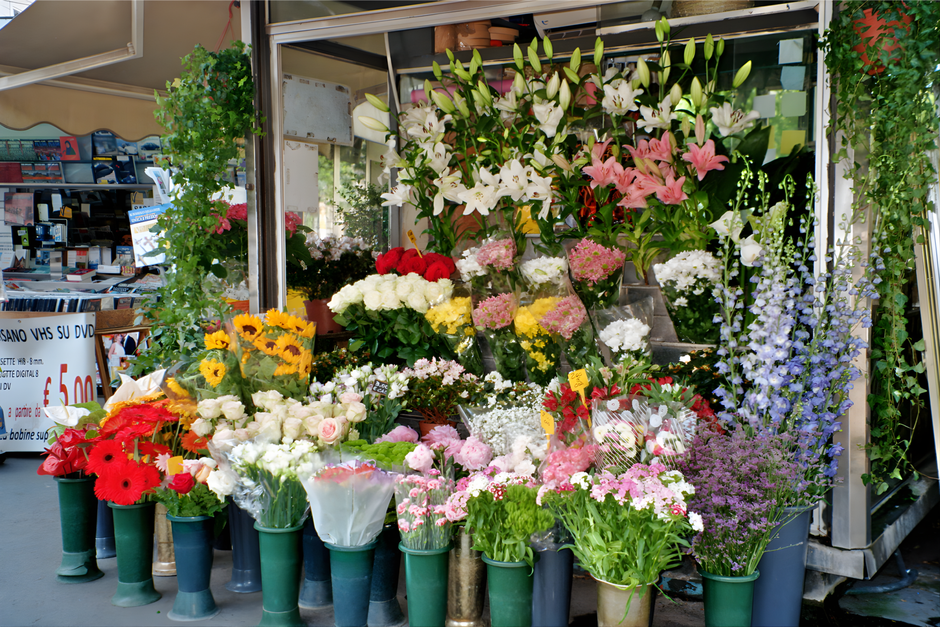
Common Mistakes to Avoid
Most problems come from rushing or assuming the rules are the same everywhere. They are not.
- Assuming a display is private just because it sits near a shop. If it affects a shared frontage or public route, extra approval may be needed.
- Forgetting access needs. A display can be beautiful and still be a nuisance if it blocks doors, bins, pushchairs, or mobility access.
- Using flimsy fixtures. Tape, light stands, and decorative supports are not enough in exposed or crowded spaces.
- Ignoring weather. A sunny morning can turn into a damp, windy afternoon, and flowers are not always the only thing that moves.
- Leaving waste behind. Petals, packaging, broken ties, and excess water create a poor impression very quickly.
- Not checking timing. If the installation window is limited, missing it can throw off the whole event.
- Choosing scale over fit. Bigger is not always better. In fact, sometimes it just looks a bit shouty.
Another mistake is underestimating how many people are involved. You may need to speak to the florist, venue, building manager, security team, event lead, and sometimes local approvals all at once. It sounds a bit much, yes, but it becomes manageable when everyone knows the plan.
Tools, Resources and Recommendations
You do not need a complicated toolkit to manage floral display permits well. What you do need is a simple system and the right information at the right stage.
- A site sketch or marked-up floor plan for showing where the display sits.
- Basic measurements for width, depth, height, and clear walking space.
- Photographs of the frontage or venue to make the proposal easy to understand.
- A brief risk note covering stability, water, access, and removal.
- A contact list for everyone who may need to approve or support the installation.
- Back-up flowers or spare stems in case something is damaged during set-up.
If the display is part of a wider floral order, useful supporting pages can help you match the occasion to the design. For example, wedding flowers in Mayfair W1K are a natural fit when the installation supports a ceremony or reception. For event or sympathy planning, funeral flowers in Mayfair W1K may be more relevant, and those arrangements usually need careful handling, timing, and tone.
For customers wanting to send arrangements beyond the display context, pages such as send flowers in Mayfair W1K and flower delivery in Mayfair W1K can also be useful. They do not replace permit planning, of course, but they help with the wider floral journey around the same area.
Law, Compliance, Standards, or Best Practice
Because floral displays near Bond Street may touch the public realm, the compliance picture matters. The exact legal or approval route will depend on the location, ownership, and whether the installation affects public access, building safety, or any restricted frontage. It is sensible to treat local requirements carefully and avoid making assumptions.
As a rule of thumb, best practice usually includes the following:
- maintaining clear pedestrian access
- ensuring any installation is stable and secure
- keeping fire exits, sightlines, and access points unobstructed
- preventing leaks, spills, or loose materials on walking surfaces
- following any conditions set by the property owner or managing agent
- removing the display within the agreed time
For temporary events, a written sign-off is wise even when the display seems straightforward. That way, everyone has the same understanding about timing, ownership, and any restrictions. It is one of those dull but very useful habits that saves arguments later.
For businesses handling multiple floral installations, broader company policies can also matter. Pages such as terms and conditions, delivery, and returns and refund provide useful operational context, especially where timing, substitutions, or service expectations may affect the display outcome. For corporate buyers, corporate accounts can support recurring needs where floral displays are part of regular property or event work.
Options, Methods, or Comparison Table
Not every floral display near Bond Street needs the same level of planning. Here is a simple comparison that helps set expectations.
| Display type | Typical setting | Approval complexity | Best use |
|---|---|---|---|
| Indoor bouquet or vase arrangement | Reception, counter, private interior | Low | Simple styling, daily refresh |
| Shop window display | Glass frontage, retail presentation | Low to medium | Branding, seasonal appeal, product launches |
| Frontage flowers in a managed entrance | Doorway, shared lobby, threshold | Medium | Hotels, venues, premium retail |
| Outdoor floral installation | Pavement edge, forecourt, event entrance | Medium to high | Openings, weddings, activations |
| Large structural display | Arches, frames, backdrops, branded features | High | Major events, photography, short-term campaigns |
This table is only a guide, of course. A modest-looking arrangement can still need approval if it sits in the wrong place. Equally, a large installation may be perfectly manageable if it stays within private boundaries and has clear sign-off. Context beats size every time.
Case Study or Real-World Example
Imagine a boutique near Bond Street preparing for a spring launch. The team wants a floral entrance feature that can be seen from the pavement, plus a series of matching arrangements inside. The design is elegant: pale roses, white stems, a bit of greenery, nothing too loud. On paper, it sounds simple enough.
But when the team measures the frontage, they realise the proposed display would sit close to the doorway and slightly reduce the turning space for customers entering with bags or pushchairs. There is also a delivery window in the morning, which means the installation cannot just be dropped off whenever it suits the florist. A quick review shows they need to tighten the footprint, shorten the base, and confirm the exact install and removal times with the building manager.
The florist revises the plan, keeps the flowers within the agreed boundary, and uses weighted bases that are less visually obvious but far more stable. The result is better, actually. The display looks cleaner, the entrance remains open, and the launch feels calm rather than crowded. No drama. No last-minute panic. Just a better outcome because the permission and logistics were sorted early.
That is the real value of permit planning. It is not about making life harder. It is about making the display look effortless when, behind the scenes, it was carefully coordinated.
Practical Checklist
Use this before final approval or installation:
- Confirmed the exact location of the display
- Checked whether any part touches a public or shared space
- Measured width, height, and access clearance
- Identified who owns or manages the space
- Prepared a simple description or sketch
- Reviewed stability, water, and wind exposure
- Confirmed installation and removal times
- Checked for trip hazards and blocked access points
- Planned waste collection and clean-down
- Named one person responsible for final checks
If you can tick every line above, you are in a much better place. It sounds basic, but honestly, the basic stuff is what keeps a floral display looking polished from start to finish.
Conclusion
Permits for floral displays near Bond Street are really about balance: beauty on one side, practical control on the other. If you understand where the display sits, who controls the space, and what impact it has on the public realm, the process becomes far less intimidating. Most issues come from rushing, guessing, or assuming a small display can never matter. In this part of London, even small details carry weight.
Plan early, keep the proposal clear, and treat access and safety as part of the design rather than an afterthought. That approach gives you a display that feels elegant, works in the real world, and avoids the awkward surprise of having to move everything at the last minute. And that, to be fair, is what good floral planning should do.
Get a free quote today and see how much you can save.
When the flowers are set, the frontage is calm, and the street is moving smoothly around them, you will know the effort was worth it. Small details. Big difference.
Frequently Asked Questions
Do floral displays near Bond Street always need a permit?
Not always. A display entirely within private space may not need the same approval as one that touches a shared entrance, pavement edge, or other public-facing area. The key question is whether the installation affects access, safety, or the public realm.
What kind of floral displays are most likely to need approval?
Large outdoor arrangements, entrance arches, freestanding features, and any installation close to pedestrian flow are the most likely to need approval. Simpler indoor bouquets are usually easier, though property rules can still apply.
Who usually gives permission for a floral display?
That depends on the site. It might be the property owner, landlord, managing agent, venue operator, or a local authority route if the display affects public space. Sometimes more than one party is involved, which is why early checks help.
How long does it take to arrange approval?
There is no fixed timeline because each site is different. Simple internal arrangements can be quick, while public-facing or larger displays may need more back-and-forth. If timing matters, start early rather than assuming it will be instant.
Can I place flowers on the pavement outside a shop?
Only if the space is approved for that purpose and pedestrian access remains safe and clear. Pavement use is the area most likely to need extra care, because it can affect the flow of people and mobility access.
What information should I include in a permit request?
Keep it practical: location, dimensions, dates, materials, fixing method, access requirements, and any safety notes. Photos or a simple sketch make the request much easier to understand.
Do seasonal displays need fresh approval every time?
Often they do, especially if the design, size, timing, or location changes. Even if a previous installation was approved, do not assume the same permission applies to a new setup without checking.
What are the biggest compliance risks?
The main risks are blocked access, unstable structures, water spills, trip hazards, and displays that drift outside the agreed space. Weather and foot traffic can magnify small problems very quickly.
Can a florist help with the permit process?
Yes, a good florist can often help by providing clear measurements, installation details, and practical advice on stability and presentation. They may not replace the property or council approval route, but they can make the process much smoother.
Are indoor floral displays easier to approve than outdoor ones?
Usually, yes. Indoor displays tend to involve fewer public access issues. Still, indoor arrangements can create their own problems if they block entrances, escape routes, or shared lobby space.
What should I do if the display has to be removed quickly?
Have a removal plan before installation begins. That means knowing who is responsible, where the materials will go, and how the area will be cleaned afterward. Quick removal is much less stressful when it is planned in advance.
How do I choose the right florist for a Bond Street display?
Look for someone who understands both design and logistics. The best choice is not only creative, but also comfortable with measurements, timing, access, and neat installation. That combination is what makes a display work in practice.