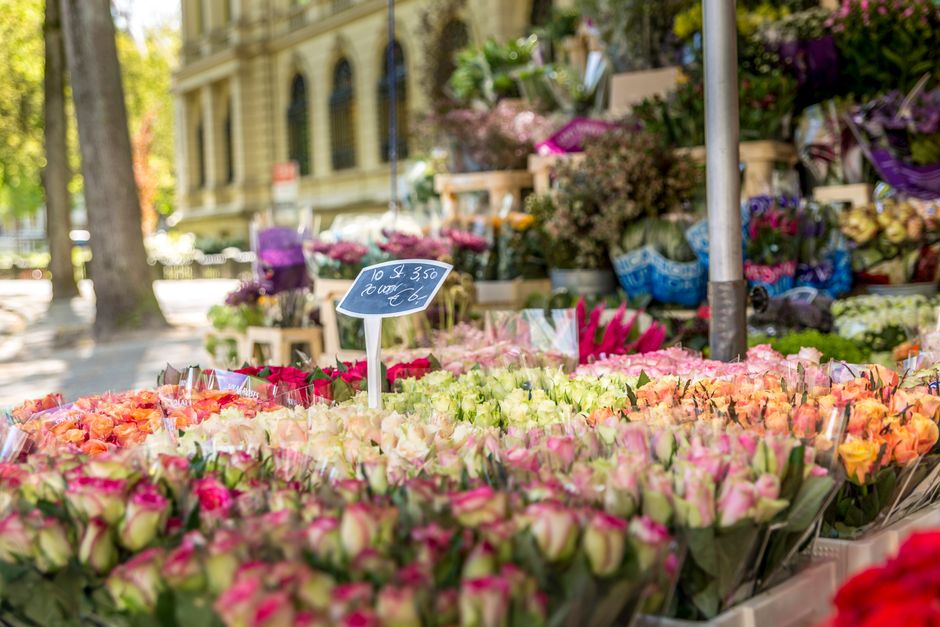
Westminster Council rules for floral stalls in Mayfair
Posted on 19/10/2026
Westminster Council rules for floral stalls in Mayfair: what operators need to know
Running a floral stall in Mayfair sounds glamorous from the outside. Fresh blooms, early mornings, polite footfall, the occasional doorman stepping aside as you load buckets onto a trolley. But the reality is a bit less romantic. If you want to trade smoothly in this part of Westminster, you need to understand the local rules, the permissions involved, and the practical expectations that can make or break a stall. That is exactly what this guide to Westminster Council rules for floral stalls in Mayfair is here to unpack.
Whether you are planning a roadside flower stand, a temporary display, or a more established local floral operation, the details matter. Where can you position stock? What sort of permission is usually needed? How do you avoid complaints, fines, or being moved on mid-morning just as your busiest customers arrive? Let's be honest, that would be a nightmare.
This article gives you a grounded, plain-English overview of the likely considerations, the usual compliance issues, and the best way to prepare before you set up in one of London's most high-profile neighbourhoods. It also includes practical steps, a checklist, and answers to common questions that stallholders tend to ask.
Table of contents
- Why Westminster Council rules for floral stalls in Mayfair matters
- How Westminster Council rules for floral stalls in Mayfair works
- Key benefits and practical advantages
- Who this is for and when it makes sense
- Step-by-step guidance
- Expert tips for better results
- Common mistakes to avoid
- Tools, resources and recommendations
- Law, compliance, standards, or best practice
- Options, methods, or comparison table
- Case study or real-world example
- Practical checklist
- Conclusion
- Frequently asked questions
Why Westminster Council rules for floral stalls in Mayfair Matters
Mayfair is not a casual trading environment. It is a premium, tightly managed part of central London with busy pavements, luxury retail, business traffic, residents who notice everything, and a street scene that has to stay orderly. That combination makes floral stalls attractive but also sensitive.
Westminster Council rules matter because a floral stall affects more than just sales. It can affect pedestrian flow, visual amenity, access for cleaning and servicing, neighbouring businesses, and the general feel of the street. A display of roses can look charming at 8:00 a.m. and become an obstruction by lunchtime if it is badly positioned or unmanaged. Truth be told, that is where many problems start.
If you trade without the right permission, or you work outside the conditions attached to that permission, you can quickly run into enforcement issues. That may mean being asked to move, receiving a complaint, or losing the opportunity to trade there again. For a business that relies on repeat custom and a polished reputation, that is a big deal.
It also matters because floral stalls in an area like Mayfair are often judged by a higher standard than a typical roadside setup elsewhere. Presentation counts. Cleanliness counts. Quiet, tidy operation counts. Even the smell of standing water or over-ripe stems can become a problem in a narrow street where people are passing closely by.
Practical takeaway: In Mayfair, a floral stall is not just a sales point. It is a managed use of public space, and the better you understand that, the smoother your trading will be.
How Westminster Council rules for floral stalls in Mayfair Works
The exact permission route can vary depending on the location, the type of trading, and whether the stall is on public highway, within a private forecourt, or connected to an existing shop frontage. That said, the general principle is straightforward: if your flower stall uses public space or affects the highway, you should assume permission and conditions are involved.
In practice, floral stall arrangements usually revolve around a few core questions:
- Is the stall on council-controlled land or private land?
- Does it require a licence, consent, or pavement-related permission?
- How much space can it occupy without causing an obstruction?
- What hours can you trade, deliver, and clear down?
- Are there restrictions on fixtures, signage, umbrellas, planters, or waste bins?
Because Mayfair sits in Westminster, the council's wider street management approach applies. That means a stall is usually assessed not just on whether flowers are being sold, but on whether the setup is safe, tidy, and compatible with local conditions. A neat display of peonies may still be refused if it blocks sightlines or sits awkwardly beside pedestrian movement. Annoying? Yes. Surprising? Not really.
Another thing people often miss is that compliance is not only about the initial approval. It is also about daily operation. A stall that starts well can fall out of compliance if stock spills beyond the agreed footprint, if waste is left too long, or if the display changes in a way that breaches the original conditions.
For operators who want a dependable flower supply chain, it can help to think in terms of the broader business model too. If you are serving walk-in customers, corporate clients, or events, your operational setup should support that flow. Pages such as Florist Mayfair and flower shops in Mayfair reflect the wider market context, while delivery information can help if you need to blend a stall with local drop-offs.
In short, the rules work as a mixture of location control, public safety, and local amenity management. That sounds dry, but it is the reality. And once you understand that, the rest becomes much easier to plan.
Key Benefits and Practical Advantages
Following the rules is not just about avoiding trouble. It can actually improve your business. A compliant floral stall tends to look more professional, operate more efficiently, and win more trust from customers and nearby businesses.
Here are the main advantages:
- Lower enforcement risk: You reduce the chance of complaints, warnings, or being forced to move.
- Better customer confidence: A tidy, well-placed stall feels more premium and reliable.
- Smoother trading conditions: Clear permissions make daily operations less stressful.
- Stronger local relationships: Neighbours, building managers, and passers-by are more likely to support you.
- Better brand image: In Mayfair, presentation is part of the product.
There is also a commercial upside that is easy to overlook. When your stall is compliant and well-run, you can focus on stock, design, and service rather than firefighting. That matters especially during busy windows, such as early weekday trade, Valentine's season, or those crisp morning hours when office workers and hotel guests are out before 9:00 a.m. The atmosphere can shift fast in London, and being ready early helps.
For product planning, many stallholders find it useful to align their stock range with local demand. Seasonal mixed bouquets, elegant whites, luxury arrangements, and premium gift lines often work well in a district like Mayfair. If that is your market, browsing options such as luxury flowers, best sellers, or flowers in a vase can be a practical planning step.
One more advantage, and it sounds simple but matters a lot: compliance lets you sleep better. Not every business benefit can be reduced to a spreadsheet.
Who This Is For and When It Makes Sense
This topic is relevant to more people than you might think. It is not only for a classic street trader with buckets and a folding stand. Westminster Council rules can matter for several types of flower-related activity in Mayfair.
You may need to pay attention if you are:
- opening a new floral stall near a busy street or square
- expanding an existing florist into outdoor display or pavement trading
- running temporary seasonal flower sales
- supplying flowers for events, hotels, or corporate settings with visible frontage
- managing a shop frontage that spills onto the pavement
- testing whether a low-cost retail setup could work before committing to a permanent unit
It can also make sense if you already trade in central London and are comparing locations. Mayfair is a different proposition from a high-street site elsewhere. The footfall may be strong, but expectations are also higher. Customers in this area often expect polished displays, premium packaging, and reliable service. If you are building a product mix for that audience, a page like best flower delivery in Mayfair can give a sense of how premium positioning may look on the retail side.
There is also a timing issue. If you are preparing for a launch, event season, or a special trading window, the rules should be sorted before stock is ordered in bulk. That way you are not sitting on crates of stems while waiting for approval that should have been arranged weeks earlier. Been there, seen that. Not fun.
In other words, this is for anyone who needs to trade flowers in a way that is both visible and legitimate in a central London setting.
Step-by-Step Guidance
If you are approaching Westminster Council rules for floral stalls in Mayfair for the first time, it helps to break the process into clear steps. This avoids the usual scramble.
1. Identify exactly where the stall will operate
Start with the location. Is it public highway, a forecourt, a private development, or shared frontage? The same flower display can fall under different rules depending on where it sits. That is why you should not assume a site is acceptable just because it "looks fine" on the pavement.
2. Check whether the setup is temporary or permanent
A weekend flower stand, a seasonal cart, and a semi-permanent stall may all be treated differently. Temporary use often sounds easier, but it still needs to be planned carefully. You may have to show dates, dimensions, trading hours, and how the stall will be removed.
3. Review the likely footprint and street impact
Think in practical terms. Will customers gather in a narrow pinch point? Will delivery vehicles need to stop nearby? Will buckets of water be stable? It is easy to focus on bouquet design and forget the physical reality of a trolley, a signboard, and a queue. The council will not forget.
4. Prepare your operational information
Have the details ready before approaching the relevant process. That usually means the nature of the business, proposed hours, proposed display size, waste handling, and any equipment used. If your stall relies on regular replenishment, factor that in too. Customers do not want a half-empty display by mid-afternoon.
5. Build your stock and presentation plan
A flower stall in Mayfair should look intentional. Use clean buckets, restrained signage, and a coherent colour palette. If your arrangement style leans elegant, white and blush tones often read well in premium streets. If you want something more striking, use contrast carefully rather than aggressively. Good design is calm. A little goes a long way.
6. Make sure waste and water are controlled
Spilled water, broken stems, and packaging waste create complaints quickly. This is one of the most common issues because it starts small. A drip here, a loose tie there, then suddenly your patch of pavement looks tired. Keep towels, bins, and a tidy-down routine close at hand.
7. Plan for trading hours and quiet operation
Late setup, noisy unloading, or lingering beyond permitted hours can become a problem. If your stall is in a residential or mixed-use street, think carefully about early-morning and evening disruption. Better to be slightly too disciplined than too casual.
8. Keep records of what has been agreed
Once permission is in place, keep the key conditions written down and accessible. Staff should know the limits too. If someone new is helping with peak trade and does not know the agreed stall footprint, that can lead to a compliance slip within minutes. Very ordinary mistake. Very avoidable.
Expert Tips for Better Results
In our experience, the best floral stalls are the ones that think like hospitality businesses, not just retailers. People notice the small things. They notice whether the bucket edges are clean, whether pricing is clear, whether the flowers look fresh, and whether the setup feels calm rather than cluttered.
Here are a few practical tips that help in a place like Mayfair:
- Keep the display narrow and elegant: Wide, sprawling setups can look messy and create access issues.
- Choose durable stems for outdoor trading: Weather, heat, and handling all matter.
- Match stock to the local mood: Premium roses, lilies, seasonal mixed bunches, and polished gift lines often feel right.
- Use restrained signage: Clear enough to sell, not so loud it fights the street.
- Build a quick reset routine: Every hour or two, tidy the display and remove damaged stems.
- Train staff on public-space etiquette: Small courtesies matter in busy central London streets.
Another useful point: make your stall look good from all angles, not just from the front. A passer-by approaching from the side should still see order, not plastic wrapping and tangled ribbon. It sounds obvious, but after a busy morning the back edge often tells the true story.
If you also trade online or take local orders, keep your stall and your digital offer aligned. Customers may discover you through a delivery page such as flower delivery in Mayfair and then visit in person. The experience should feel consistent.
And one small human truth: a floral stall with real care behind it just feels different. People sense that. They may not know why, but they know.
Common Mistakes to Avoid
A lot of problems with flower stalls are not dramatic. They are tiny oversights that grow into bigger issues. The good news is that most of them are avoidable if you know what to watch for.
Assuming the site is fine because it is busy
High footfall does not equal permission. It is tempting to choose a busy corner and hope for the best, but that is usually the quickest route to trouble.
Overestimating the space available
What looks spacious in the early morning can become cramped once pedestrians, prams, suitcases, and delivery activity all arrive at once. Mayfair can feel surprisingly tight at peak times.
Ignoring cleaning and waste management
Water spills, leaf litter, and soggy wrapping are easy to overlook during setup, but they are exactly the things that trigger complaints. If the pavement looks neglected, people notice fast.
Using overcomplicated signage or fixtures
Flashy boards, oversized stands, or improvised displays often create more issues than sales. Keep it simple. You are selling flowers, not staging a circus.
Not training cover staff properly
If you have staff or family helping, make sure they understand the conditions of trade. One person moving stock outside the approved area can undo a lot of careful work.
Leaving compliance until after stock is purchased
This is a classic one. People buy buckets, flowers, packaging, and stands first, then sort permissions later. If approval takes longer than expected, the business can stall before it starts.
Forgetting about neighbourhood sensitivity
Mayfair is not a rough-and-ready trading environment. A little discretion goes a long way. Noise, clutter, and blocked access stand out more here than on an ordinary retail strip.
Tools, Resources and Recommendations
You do not need a huge toolkit to run a good floral stall, but you do need the right practical basics. That is usually where quality and compliance overlap.
Helpful items and resources include:
- Compact buckets and weighted containers: keeps stock stable on uneven pavements.
- Measuring tape or marked floor plan: useful when checking your stall footprint.
- Disposable and reusable cleaning cloths: essential for water management and quick resets.
- Simple pricing boards: clear, readable, and not too tall.
- Weather protection: light cover or shade where appropriate, without creating extra obstruction.
- Waste bags and small bins: for stems, wrap, and offcuts.
- Order log or stock sheet: useful if you are balancing walk-in sales and event supply.
For product and service planning, some site pages can support your broader trading decisions. If you are building a premium range, explore all flowers or florist choice to see how a flexible offer can support changing customer demand. For occasions and repeat gifting, send flowers in Mayfair can also be a useful commercial reference point.
If your stall is part of a wider florist operation, don't ignore behind-the-scenes essentials either. Pages such as about us, guarantees, and returns and refund information help reinforce trust when customers are comparing suppliers.
Law, Compliance, Standards, or Best Practice
For any stall operating in a public or semi-public location, you should treat compliance seriously. Exact permission requirements can depend on the site and activity, so it is wise to confirm the current position before committing to a pitch or setting dates in stone.
In practical terms, the main compliance themes usually include:
- Trading permission: make sure your use of the location is authorised.
- Highway safety and access: pedestrians, disabled access, emergency access, and adjacent businesses all matter.
- Cleanliness: avoid nuisance from water, debris, and packaging.
- Noise and disturbance: keep setup and takedown calm and brief.
- Food and waste style discipline: even though flowers are not food, the same professionalism around hygiene is expected.
- Insurance and liability: public-facing trading often benefits from proper cover.
Best practice also means keeping customer-facing information clear. If you accept card payments, state it. If you are open only on selected days, make that visible. If you are offering delivery from a stall-based setup, make the difference between on-site purchase and local delivery obvious. Clear expectations reduce friction.
It is also worth remembering that local enforcement is often driven by practical impacts, not just paper compliance. A stall that technically has paperwork but creates repeated obstruction can still attract attention. So yes, the documents matter. But the everyday behaviour matters too.
If you need premium product support for local occasions, it can help to align with a focused range such as any occasion, luxury flowers, or same-day delivery. Those product pages are useful for thinking about how a compliant stall can connect to the wider customer journey.
Options, Methods, or Comparison Table
Not every floral business in Mayfair needs the same setup. The right method depends on how visible you want to be, how much stock you carry, and how closely you need to manage public-space use.
| Setup type | Typical use | Pros | Challenges |
|---|---|---|---|
| Small pavement floral stall | Walk-in sales, daily trade, premium gifting | Visible, flexible, good for impulse purchases | Needs careful space management and permission |
| Shopfront display with flowers outside | Existing florist business with outdoor presentation | Stronger brand presence, easier to combine with store sales | Still needs control over obstruction and presentation |
| Temporary seasonal stand | Special occasions, holidays, event periods | Good for testing demand, less long-term commitment | Short setup window, planning still matters |
| Delivery-led florist with minimal frontage | Mainly pre-ordered flowers and local delivery | Lower street-management pressure | Less spontaneous footfall, more reliant on marketing |
In Mayfair, the most successful model is often the one that keeps the public-space footprint modest and the customer offer premium. That does not mean you need to be expensive for the sake of it. It means your arrangement should feel deliberate, tidy, and well matched to the street.
If your main business is online but you want a local presence, pages like flower shops Mayfair and same-day flower delivery in Mayfair can support a hybrid strategy. Not every stall has to look the same, and frankly that is a good thing.
Case Study or Real-World Example
Consider a small florist preparing to trade near a busy Mayfair street with a mix of offices, hotels, and residential buildings. The owner wants a neat morning floral stall outside the shop frontage, mostly for premium bouquets and same-day gifting. The temptation is to set up quickly, place a few buckets near the kerb, and see how it goes.
Instead, they take a more careful approach. First, they map the footprint so the stall stays compact. Then they keep the display slightly back from the main pedestrian flow. They choose a restrained colour palette: whites, blush pinks, and soft seasonal tones. They add tidy pricing, stable containers, and a clear closing routine so the pavement is left spotless by early afternoon.
What happens? Fewer objections, easier customer movement, and a more premium feel overall. Staff spend less time moving things out of the way and more time helping customers choose the right bunch. There is no drama, which is usually a very good sign in this line of work.
Now compare that with a less disciplined setup: oversized buckets, a wet pavement, tangled packaging, and flowers spilling into the walking line. Even if the product itself is beautiful, the operation feels rushed. In Mayfair, that can be enough to undermine trust quickly.
The lesson is simple. The rules are not there just to slow you down. They help define a setup that people can actually enjoy passing by.
Practical Checklist
Before you open a floral stall in Mayfair, run through this checklist. It saves headaches later.
- Confirm the exact site and whether it involves public space.
- Check whether permission, consent, or a licence is needed.
- Measure the proposed stall footprint carefully.
- Keep pedestrian access clear at all times.
- Plan where water, waste, and packaging will go.
- Prepare clean, stable display containers.
- Set sensible trading and set-down times.
- Train every staff member on the agreed rules.
- Make signage clear, modest, and readable.
- Choose flowers and presentation styles that suit a premium London setting.
- Keep contact details and operational documents available.
- Review the stall after opening and adjust if it feels cramped.
If you can tick most of those boxes, you are already ahead of many casual operators. And that matters, because flower stalls are one of those businesses where small details really do add up.
Get a free quote today and see how much you can save.
Conclusion
Understanding Westminster Council rules for floral stalls in Mayfair is less about bureaucracy for its own sake and more about building a business that can actually last. In a premium part of London, the businesses that do best are usually the ones that respect the street, the neighbours, and the customer experience all at once.
If you keep your stall compact, tidy, well presented, and properly authorised, you will give yourself a far better chance of steady trade and fewer surprises. That is the real win here. Not perfection. Just a calm, professional setup that works day after day.
And when the early light catches the flowers, the street is still quiet, and the first customer of the day stops to choose something beautiful, that careful groundwork starts to feel worth it. In a place like Mayfair, it really does.
Frequently Asked Questions
Do I need permission to run a floral stall in Mayfair?
In most cases, yes, if the stall uses public space or affects the highway in any way. The exact route depends on the location and how the stall operates, so it is best to check before setting up.
Can I just put a few flower buckets outside my shop?
Not safely assume so. Even a small display can count as an obstruction or require approval if it sits on the pavement or affects pedestrian movement. The size of the display does not automatically make it exempt.
What makes Mayfair different from other London areas?
Mayfair tends to have higher expectations around presentation, access, and street management. It is a busy, polished part of Westminster, so a floral stall often needs to look more refined and operate more carefully than in a less central area.
How much space should a floral stall take up?
There is no single answer that fits every site. The key is to keep the footprint practical, safe, and clear of pedestrian routes. A compact, tidy arrangement is usually easier to manage than a wide, sprawling one.
Can I use signs, boards, or extra fixtures?
Possibly, but only if they fit within the conditions attached to the stall or frontage. Oversized signs and bulky fixtures are common reasons for problems, so keep them simple and proportionate.
Are temporary flower stalls easier to approve?
Sometimes they can be, but temporary does not mean informal. You still need to think about footprint, timing, public access, waste, and the way the stall looks once installed.
What flowers work best for a Mayfair floral stall?
Premium-looking seasonal mixes, elegant roses, lilies, and well-structured arrangements often suit the area well. The best choice depends on your customers, your brand style, and how long the flowers need to hold up outdoors.
Do I need to think about insurance?
Yes, it is sensible to think about public-facing business insurance and liability cover. If customers or passers-by interact with your stall, having the right protection is just good business practice.
What are the most common reasons a stall gets challenged?
Common issues include blocked access, poor cleanliness, noisy setup, waste left behind, and displays that extend beyond the agreed area. Most of these problems start small and then snowball.
Can I combine a floral stall with online or delivery sales?
Absolutely. Many operators do this to smooth demand and improve reach. A stall can support walk-in trade while delivery pages and local ordering help you capture customers who prefer convenience.
How do I make my stall look premium without overdoing it?
Use a restrained colour palette, clean containers, readable pricing, and neat spacing. Premium does not have to mean flashy. Often, the most elegant stalls are the calmest ones.
What should I do before my first day trading?
Double-check your permissions, measure your display area, prepare waste and water control, train staff, and do a final presentation run-through. A dry rehearsal the day before can save a lot of stress on the morning.